Peace Love Cure Retro SVG
A Designer’s First Glance: Warm, Nostalgic, and Ready for Stitching
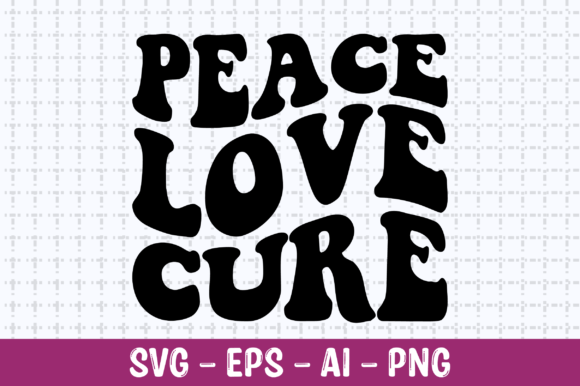
When I opened Peace Love Cure Retro SVG, I didn’t just see shapes—I felt a mood. It’s that soft 70s-inspired warmth: rounded letterforms, gentle curves, subtle asymmetry, and a balanced negative space that breathes. The “peace” symbol anchors it, the “love” heart sits snugly beside it, and “cure” wraps in with quiet confidence—not loud, not trendy, but timelessly kind. As an embroidery designer who’s stitched hundreds of custom pieces for boutiques and Etsy sellers, I immediately pictured this on a natural linen tote bag—hand-stitched edges, earthy thread tones, something you’d gift at a baby shower or hang in a wellness studio.
Where This Design Truly Shines in Real Embroidery Projects
Peace Love Cure Retro SVG isn’t built for flash—it’s built for feeling. That makes it ideal for projects where emotional resonance matters more than visual noise. I recently used a similar retro motif for a small-batch line of embroidered kitchen towels for a local café; customers kept asking, “Where did you get that design?”—not because it was flashy, but because it felt intentional and handmade.
- Custom apparel: Works beautifully on midweight cotton sweatshirts and relaxed-fit tees—especially when paired with matte, low-sheen thread like rayon or premium polyester.
- Tote bags & aprons: Its open layout avoids dense fill stitch clusters, so it stitches cleanly across textured canvas or duck cloth without puckering.
- Baby embroidery & nursery decor: Soft curves and no sharp angles make it feel safe and soothing—perfect for onesies, burp cloths, or framed pillow covers.
- Patches & holiday gifts: At 3–4 inches wide, it scales well into sew-on or iron-on patches. I’ve seen it translate especially well into Christmas ornaments and Valentine’s Day tea towel sets.
- Etsy listings & boutique branding: Because it reads clearly at smaller sizes (think 2.5" wide on a cap visor), it holds up in digital mockups—and customers consistently describe it as “calm,” “thoughtful,” and “uniquely personal.”
Where to Use It With Care—Not Caution, But Consideration
This isn’t a one-size-fits-all machine embroidery design—but that’s its strength. It asks you to pay attention, not power through. Here’s where thoughtful execution matters most:
- Small hoop sizes (under 4"): The letter spacing and symbol proportions hold up well, but avoid shrinking below 2" wide—you’ll lose legibility in satin stitch outlines and subtle curve definition.
- Stretchy or thin fabric: On lightweight knits or baby rib, use cutaway + tear-away stabilizer combo. The design’s smooth contours don’t hide shifting fabric like geometric patterns might.
- Dark or heavily textured backgrounds: The transparent PNG included is excellent for previewing contrast, but always test thread colors on your actual fabric—especially navy, charcoal, or oatmeal. A warm cream or dusty rose thread often reads richer than stark white.
- Curved surfaces (caps, curved pillow fronts): It adapts well, but avoid placing the full phrase across a deep curve—break it into two lines if needed. The SVG file lets you easily reposition elements without quality loss.
- Frequent-wash items (tea towels, baby clothes): Keep stitch density moderate. Overly dense fill areas can stiffen fabric over time—this design naturally leans toward open layouts, which helps.
What It Adds to Your Finished Product—Beyond Just Looks
Using Peace Love Cure Retro SVG does more than decorate—it elevates perception. Customers notice the intention behind the rhythm of the lettering, the balance between symbol and text, the way the heart nestles into the composition. That translates directly into perceived value: handmade product buyers are willing to pay more for designs that feel curated, not copied. For Etsy sellers, it’s become a quiet bestseller in “mindful living” collections—paired with sage green thread and organic cotton tags, it reads as cohesive brand storytelling, not just decoration.
It also builds trust. When someone sees this on a personalized gift—say, a baby blanket with “Cure” replaced by the child’s name—they sense care in both message and execution. No jagged vectors, no pixelated edges, no awkward kerning. Just clean, confident design assets that support your craftsmanship—not compete with it.
Practical Notes Every Embroidery Designer Should Check Before Stitching
- Test the design on scrap fabric *first*—especially if using textured weaves or blends. Watch how the curves stitch out on your machine’s tension settings.
- Review thread color contrast against both light and dark fabric swatches. Try matte black, warm gray, and oatmeal before settling.
- Confirm hoop size compatibility. While the vector files scale freely, your machine’s maximum embroidery area may require minor repositioning.
- Inspect small details at 200% zoom in your embroidery software—look for stray anchor points or unintentional overlaps in the AI/EPS layers.
- Run a black-and-white mockup. Does the shape still read clearly without color cues? With this design, it should.
- Use appropriate stabilizer: medium-weight cutaway for knits, tear-away for stable wovens, and fusible + tear-away for lightweight linens.
- Verify licensing terms before selling finished items or bundling the digital embroidery file—this listing states it’s for personal and commercial use, but always double-check the seller’s policy.
Final Thought: A Design That Supports Your Hand, Not Your Hype
Peace Love Cure Retro SVG won’t shout from a craft fair table—but it will draw people in. It’s the kind of embroidery file that works quietly in the background of beautiful handmade products: a calming presence on a yoga studio’s apron, a grounding detail on a therapist’s holiday card set, a tender accent on a newborn’s onesie. It belongs in the toolkit of designers who believe design should serve meaning first, trend second. If you’re stitching for soul, not scroll-stopping, this one earns its place.